
What Types of Vehicles Use DEF Fuel? A Comprehensive Guide for Fleet Operators
Understanding the Scope of Diesel Exhaust Fluid (DEF) Usage
In the modern logistics and transportation landscape, Diesel Exhaust Fluid, commonly referred to as DEF, has become an indispensable component for diesel engine operation. For many fleet managers and business owners, the shift toward cleaner emission technology has necessitated a deeper understanding of how and where this fluid is utilized. At Susquehanna Sales, we frequently field inquiries about which specific vehicles and equipment types mandate the use of high-quality, API-certified DEF. Understanding this scope is not just about regulatory compliance; it is about maximizing the operational efficiency and longevity of your assets.
The Evolution of Emission Standards
To understand why specific vehicles use DEF, one must first look at the implementation of Selective Catalytic Reduction (SCR) technology. Since 2010, the EPA has enforced stringent nitrogen oxide (NOx) emission standards for diesel engines. To meet these standards without sacrificing fuel economy or engine power, manufacturers integrated SCR systems. These systems inject a precise mixture of urea and deionized water—DEF—into the exhaust stream. When this process occurs, the chemical reaction converts harmful NOx into harmless nitrogen and water vapor.
Heavy-Duty Commercial Trucks and Long-Haul Fleets
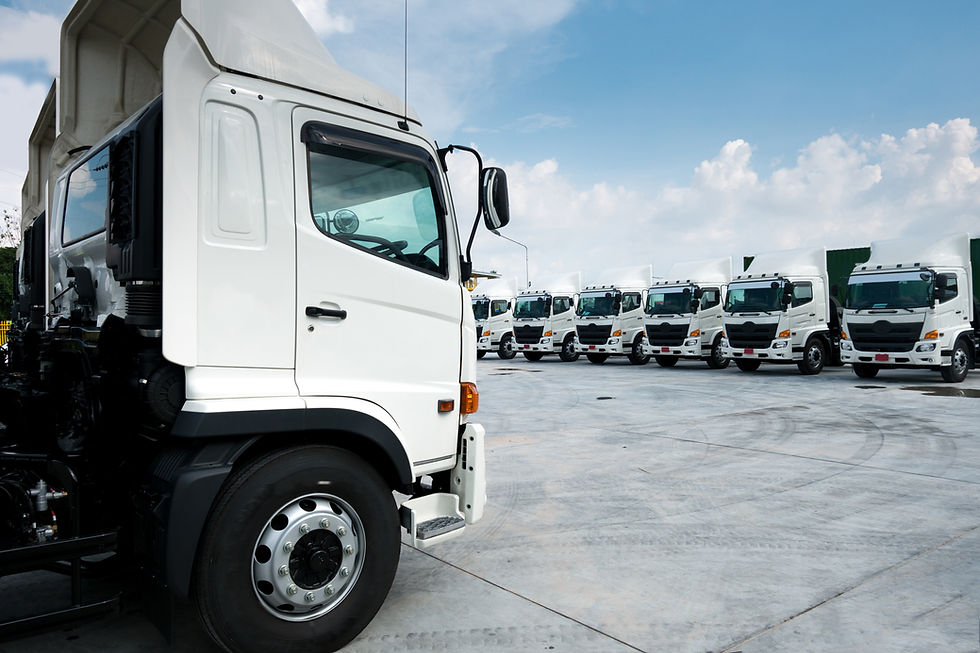
The most prominent users of DEF are undoubtedly heavy-duty commercial trucks. Whether you are operating a fleet of Class 8 semi-trucks, regional delivery vehicles, or heavy-duty tractors, these engines are designed to operate optimally only with a consistent supply of premium DEF. At Susquehanna Sales, we specialize in supporting these large-scale operations by providing everything from 2.5-gallon jugs for individual truck maintenance to 5,200-gallon bulk deliveries. For long-haul operations, ensuring your trucks have access to reliable DEF is the difference between seamless transit and costly, unexpected downtime.
Medium-Duty Vehicles and Commercial Vans
Beyond the heavy-duty sector, medium-duty vehicles, including box trucks, delivery vans, and work trucks used in construction or landscaping, also utilize SCR technology. As businesses continue to prioritize sustainability and environmental compliance, even smaller diesel-powered commercial units are now equipped with DEF tanks. If your business operates a fleet of service vehicles, neglecting the quality of the DEF you use can lead to sensor failures and degraded catalytic converter performance. We recommend utilizing our ArmorBlue product to ensure that even your medium-duty units receive the highest standard of fluid to prevent internal buildup.
Construction, Agricultural, and Off-Road Machinery
The application of DEF is not limited to paved roads. Modern construction machinery, including excavators, loaders, and bulldozers, now utilizes diesel engines equipped with SCR technology to meet Tier 4 emission standards. Similarly, the agricultural sector has seen a shift toward cleaner, high-performance engines in tractors, combines, and sprayers. These machines often operate in remote environments, making our DEF Direct services particularly valuable. By setting up reliable storage and dispensing systems on-site, businesses can ensure their heavy machinery stays productive without the logistical nightmare of running out of fluid mid-season.
Why Quality Matters for All Vehicle Types
Regardless of whether you operate a fleet of luxury motorcoaches, regional delivery trucks, or agricultural tractors, the quality of your DEF remains paramount. Inferior or contaminated fluid can lead to catastrophic damage to the SCR system, often resulting in engine derating or complete failure. At Susquehanna Sales, we provide API-certified ArmorBlue, ensuring that your equipment meets manufacturer specifications and avoids the common pitfalls of poor-quality additives. Our commitment to quality control means that when you receive a delivery—whether it is a 55-gallon drum or a full bulk load—you are receiving a product that protects your engine's health.
Practical Advice for Fleet Managers
To successfully integrate DEF into your fleet management strategy, consider the following best practices:
Monitor Consumption Patterns: Different engine loads impact DEF consumption differently. Keep detailed records to forecast your supply needs effectively.
Invest in Proper Storage: DEF is sensitive to temperature extremes and contaminants. Utilizing dedicated, climate-controlled storage solutions provided by Susquehanna Sales can preserve the integrity of your fluid.
Standardize Your Supply: Relying on a single, trusted source like Susquehanna Sales helps ensure consistency. Mixed batches or inconsistent quality from multiple suppliers can complicate diagnostic efforts if performance issues arise.
By staying proactive, fleet managers can turn DEF from a regulatory burden into an operational advantage. Whether you are managing five vehicles or five hundred, having a partner like Susquehanna Sales ensures your fluid supply is never the bottleneck in your business operations. Reach out to our team today for a quote on bulk DEF, lubricants, or specialized dispensing equipment to keep your fleet moving forward.


